Our garden is maintained by volunteers to be an attractive visitor experience and provide herbs and vegetables for sale and use by the house chef. A visit to the gardens is included in the price of a house tour. If you only wish to visit the gardens, we would appreciate a donation towards their upkeep.
There is a plot dedicated to medicinal herbs, also plots of vegetables and flowers for cutting. We grow a range of fruits including strawberries gooseberries, raspberries, black & red currants and loganberries. We have a range of heritage apples trained in different styles, as well as pears and cherries.
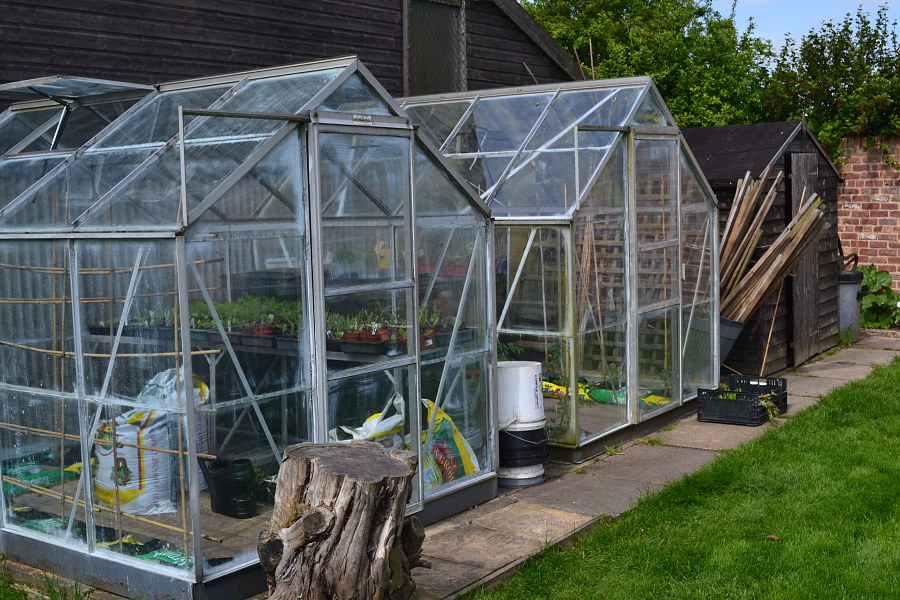
There is a large plot of spring flowers and bulbs grown as a meadow, and we have a number of greenhouses and cold frames for early crops tomatoes and cucumbers.
There is the option of using the gardens as a wedding venue with the photographic opportunities the gardens provide.
We welcome any volunteers’ who fancy working with us in the garden, you don’t even need to have any previous experience.


2010 Garden Restoration
During 2010 the gardens at the rear of Alford Manor House underwent a major restoration and enhancement scheme.
This project has been made possible through grant aid by the Heritage Lottery Fund, the Coastal Action Zone, Lincolnshire Gardens Trust and Lincolnshire County Council. There has also been administration support from East Lindsey District Council, and financial support from a number of private benefactors.
The garden design has been informed by archaeological research carried out by Dr Jonathan Clarke and his team at Field Archaeology Specialists. This information has been incorporated into a new garden design by Jane Leach of Landscape Botanica. The remainder of the conservation work, namely the restoration of the cobbled courtyard and garden wall has been completed.
The apothecary’s garden. In the form of a knot garden this area contains many plants that were used in ancient medicine, many of which are still in use today by herbalists, homoeopathists and other therapists.
The old orchard. The orchard remains as it was, with its ancient trees and under planting of bulbs, at its best in early spring. Unfortunately, the north wall was in such bad repair that it had to be taken down and rebuilt. The remaining landscaping work and garden structures were completed by members of the Trust.
The herb wall. The herb wall contains many varieties of culinary herbs for use in the Manor House kitchen. The new orchard. The new orchard is under planted with wild flowers. Old varieties of Lincolnshire apples and gages have been planted here, along the walls and in the vegetable garden.
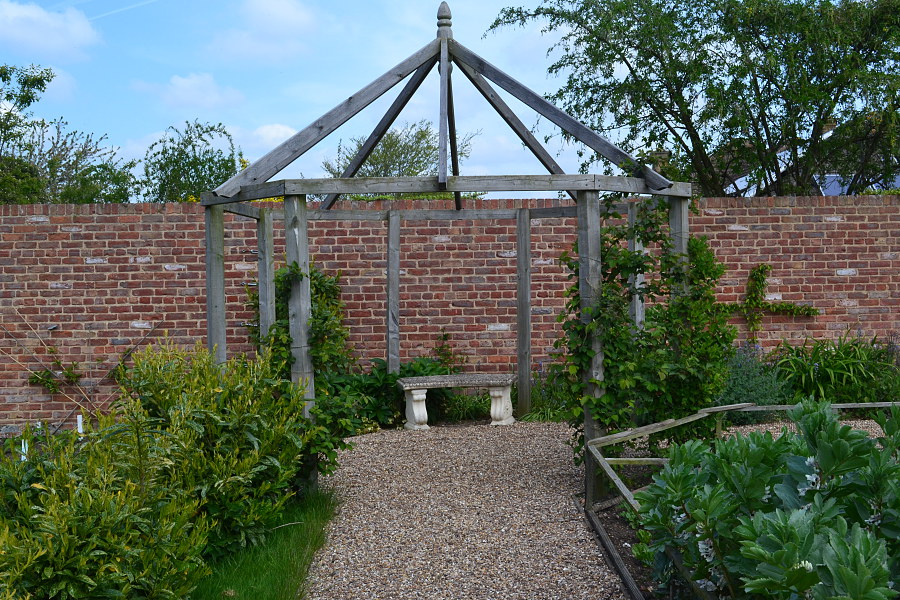
The herbaceous border. The north wall backs a traditional herbaceous border with pergolas entwined with climbing plants including vines.
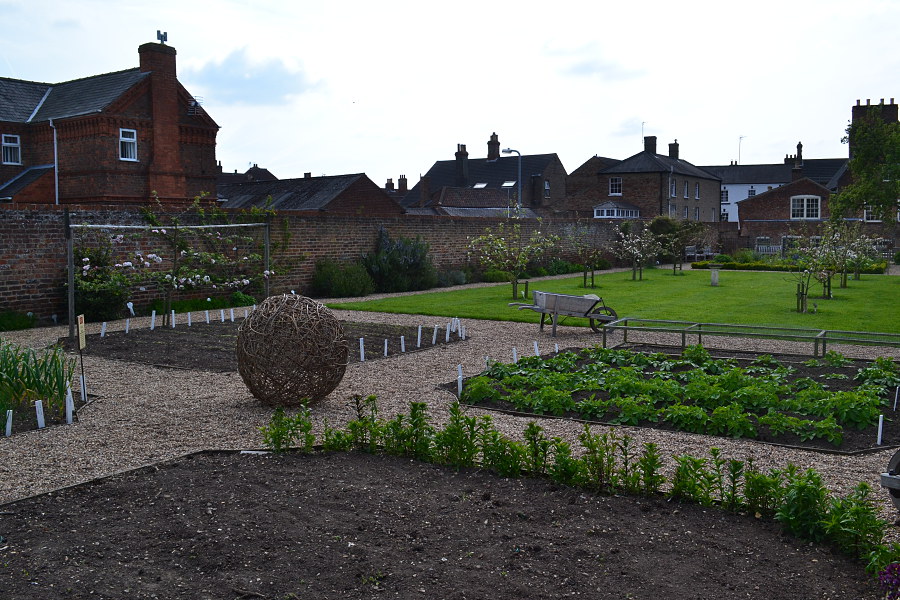
The vegetable plots. The four main beds provide a rotation of roots, onions, potatoes, peas and beans with smaller beds for soft fruit, salads, melons and marrows.
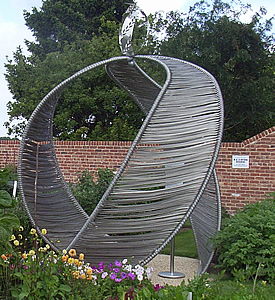
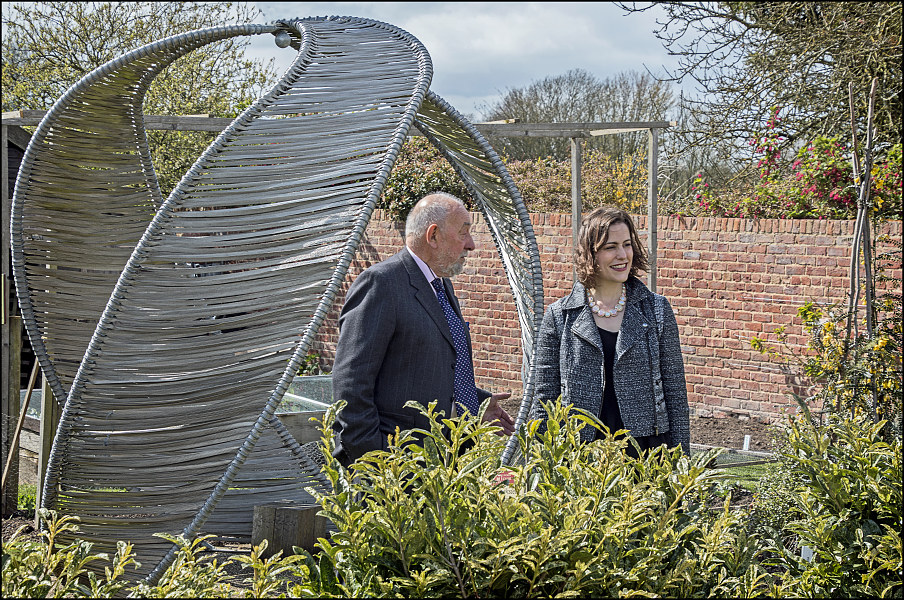
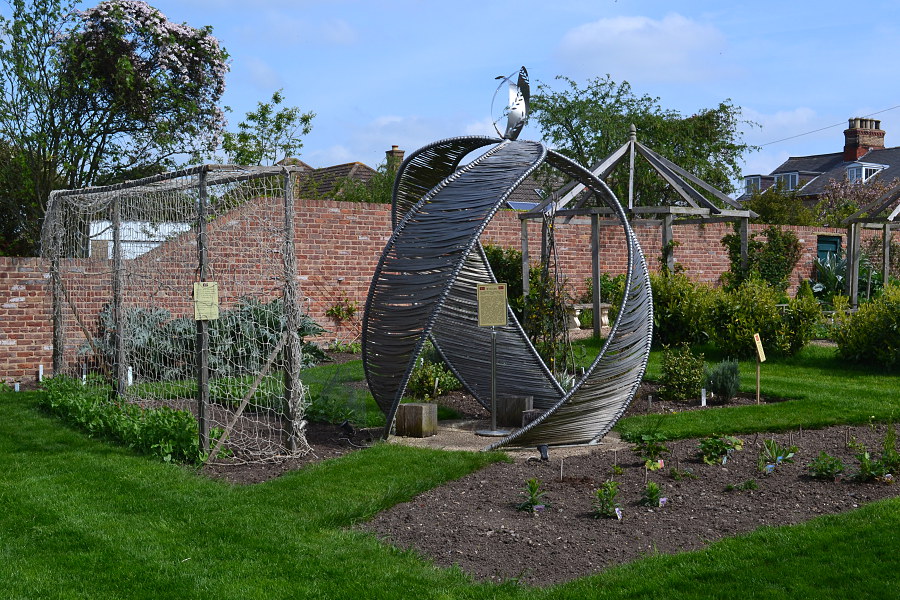
The twist sculpture. The beds here provide cut flowers for the house. In the fullness of time we will plant one of the beds with plants from the collection of Joseph Bank, the Lincolnshire plant collector. The sculpture by Susan Bradley was part of a national competition run by the Arts Council through a Renaissance grant. It was erected in 2010 and its inspiration comes from corn dollies.
The new corner. This corner is home to the volunteers’ work area and green house. Tomatoes and cucumber are grown here for the house and the bed along the wall has artichokes (Jerusalem), horse radish, rhubarb, asparagus and outdoor tomatoes
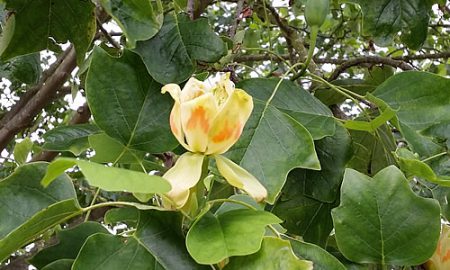
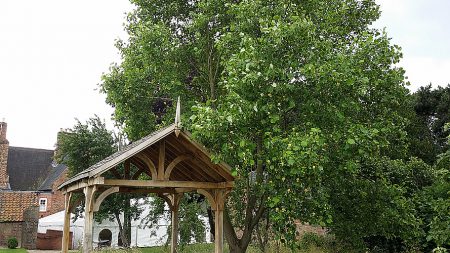
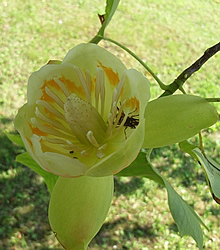
Tulip Tree (Liriodendron)
A tall stately tree with uniquely shaped leaves – four lobed with a flattened tip. The large leaves flutter in the breeze and turn to bright gold at the end of the season. The flowers do not begin to appear for about 25 years and are never very conspicuous.